
From 5 to 0: Inside Lee County Schools’ academic turnaround
November 23, 2026
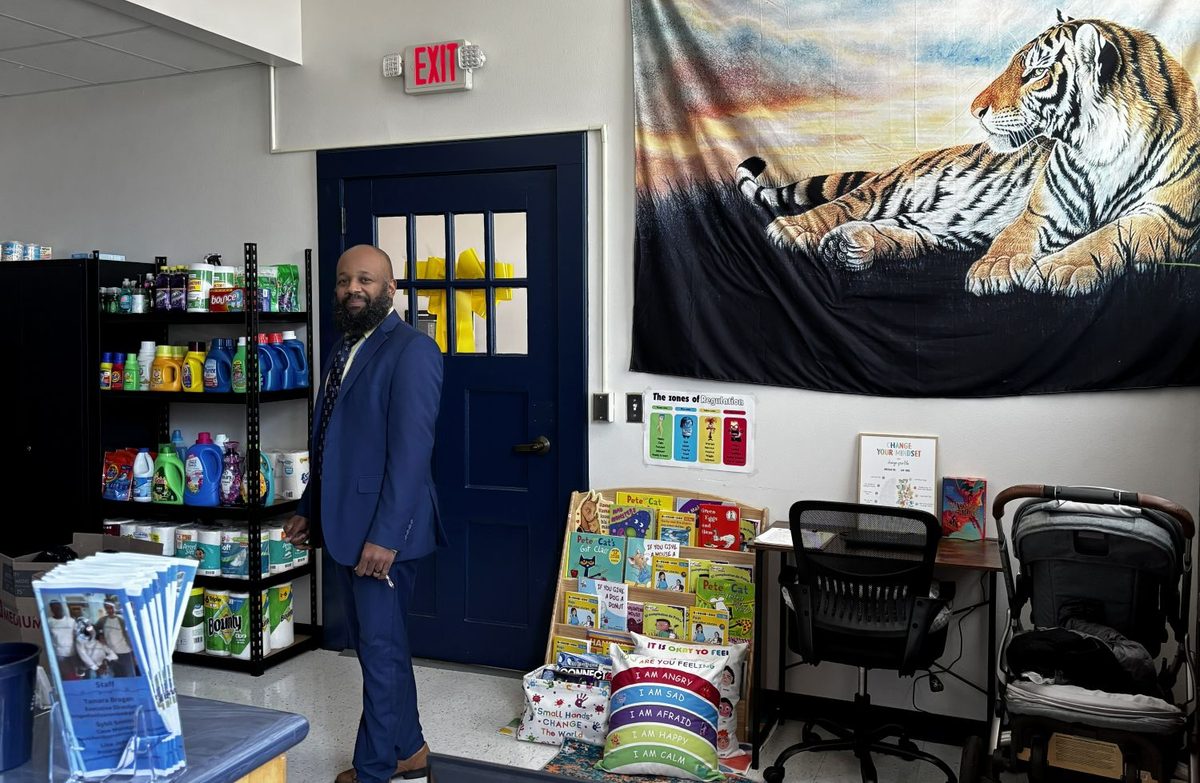
Five to zero.
That is the academic turnaround Lee County Schools celebrated as the district reported that all 14 schools have demonstrated improvement and none have been designated as low performing.
The district’s progress includes several notable accomplishments. W.B. Wicker Elementary achieved the highest academic growth in the district. Broadway Elementary recorded its third consecutive year of academic gains, West Lee Middle exceeded expected growth for the second consecutive year, and East Lee Middle experienced a 14 point overall increase, its highest growth in school history.
While the numbers reflect significant progress, they tell only part of the story. Behind those results are school leaders, teachers, instructional specialists, and support staff working to strengthen instruction, build relationships, and create environments where students are expected and supported to succeed.
At Broadway Elementary and W.B. Wicker Elementary, the approaches have taken different forms, shaped by each school’s history, challenges, and student needs. Yet conversations with school and district leaders reveal several common threads: intentional leadership, high expectations, shared responsibility for student learning, and a willingness to adjust practices when students need something different. Together, their experiences provide a closer look at how school improvement moves beyond plans and data reports to become part of daily instructional practice.
Establishing the foundation for improvement
For Wendy Perrell, principal of Broadway Elementary and Lee County’s 2026-2027 Principal of the Year, improving student outcomes began with examining the systems already in place.
The school had experienced significant academic challenges, including an EVAAS growth measure of approximately negative 6.58 when the improvement work began. Perrell recognized that addressing those challenges would require more than adding instructional resources or introducing another initiative.
The school needed clear expectations, effective instructional practices, professional learning, and a stronger understanding of how to use student data. That meant evaluating existing resources, ensuring teachers and tutors were trained to use them effectively, and making strategic decisions about staff assignments and instructional support. It also required building a culture in which every adult understood their responsibility for student success.
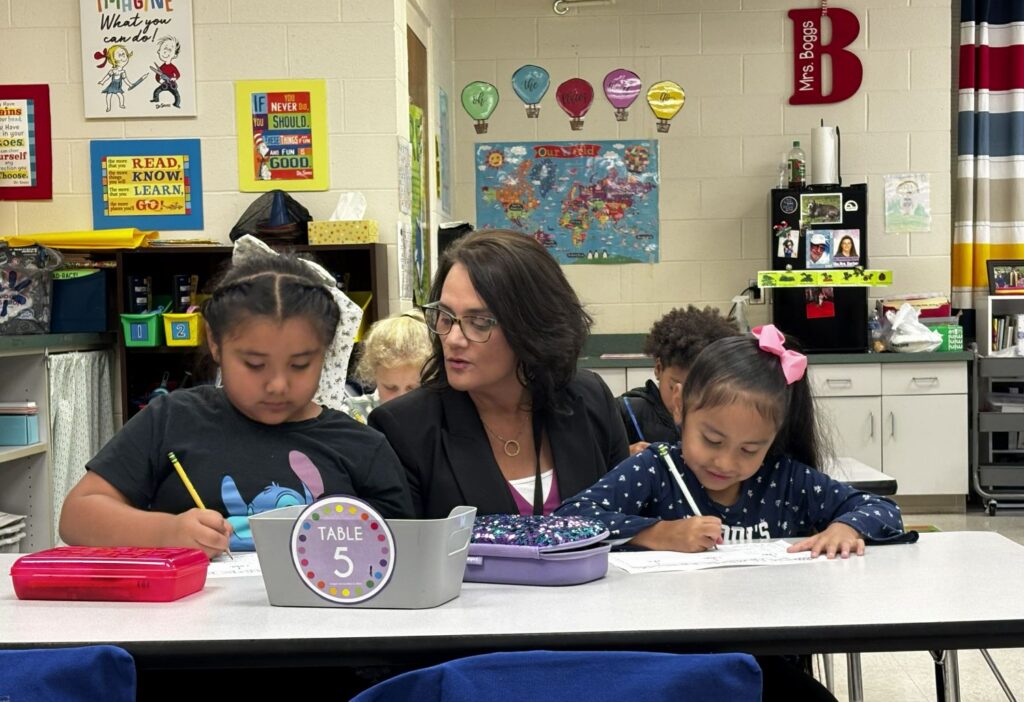
Perrell emphasized that the work extended beyond classroom teachers. Instructional assistants, tutors, custodians, bus drivers, and other staff members were all part of creating a school environment focused on students.
At W.B. Wicker Elementary, Principal James Beasley-Mungin faced a different set of circumstances. The school reopened in 2019 on a historic campus with a longstanding connection to educational opportunity in Lee County. Its early years included leadership transitions and high staff turnover.
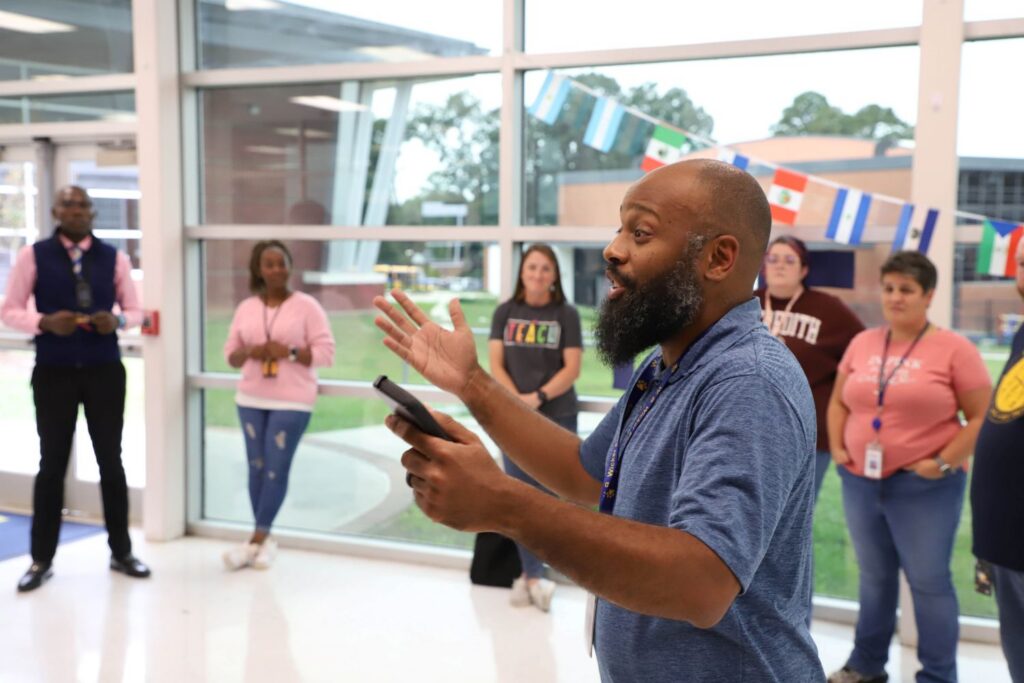
Beasley-Mungin, now in his third year as principal, described the challenges of building instructional capacity while navigating the realities of recruiting and retaining qualified educators. His commitment to the work is grounded in a belief that every child deserves a quality education and the opportunity to learn to read. But translating that belief into consistent classroom practice requires ongoing support, professional learning, and accountability.
For Beasley-Mungin, maintaining high expectations while building trust among staff has been an essential part of the school’s improvement journey. Both principals recognized that school culture and instructional quality cannot be separated. Establishing systems matters, but so does helping educators understand why those systems are necessary and how their work contributes to student success.
Shifting from individual classrooms to shared responsibility
At both schools, educators have worked to move beyond individual classroom responsibility toward collective ownership of student learning.
At Broadway, Courtney Lett, the school’s literacy specialist for grades 3–5, recalled how Perrell challenged teachers to think differently about their students. For example, fourth grade students were not simply the responsibility of their assigned classroom teachers. They belonged to the entire fourth grade team.
That expectation extended throughout the school. The shift required teachers to move beyond traditional classroom boundaries, share instructional responsibilities, and become more comfortable adjusting practices based on student needs.
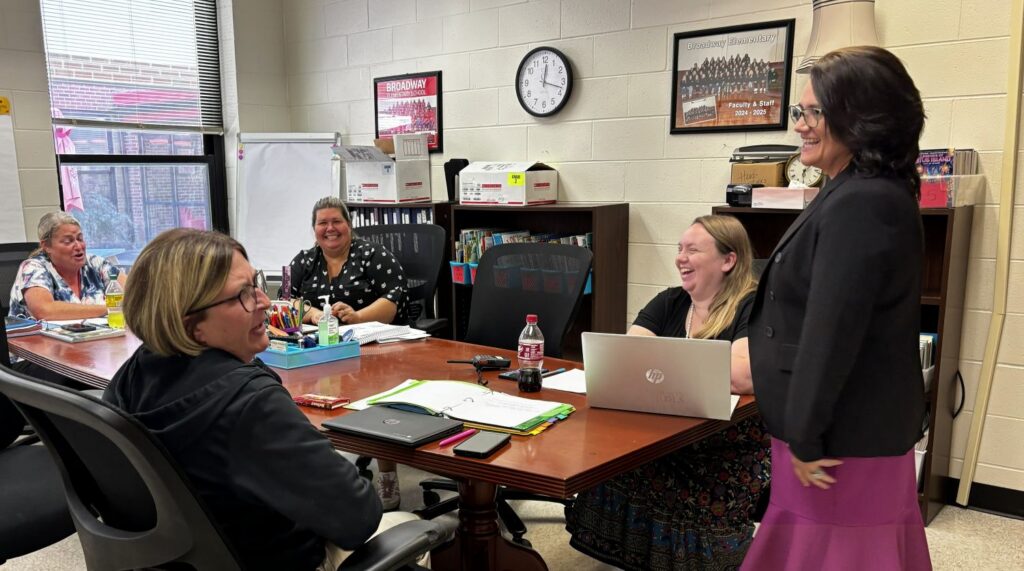
At W.B. Wicker, school leaders described a similar effort to build collective ownership. The school’s physical layout and instructional structures had sometimes made collaboration across teams more challenging. General education, exceptional children’s services, and multilingual learner support tended to operate somewhat independently, even while serving many of the same students. Beasley-Mungin has worked to strengthen connections across those areas, emphasizing the alignment of support that students must receive to reach their individual goals.
The implementation of Core Knowledge Language Arts provided an opportunity to reinforce that approach. Rather than limiting professional learning and implementation support to general education classrooms, Beasley-Mungin sought additional assistance for exceptional children’s teachers as well.
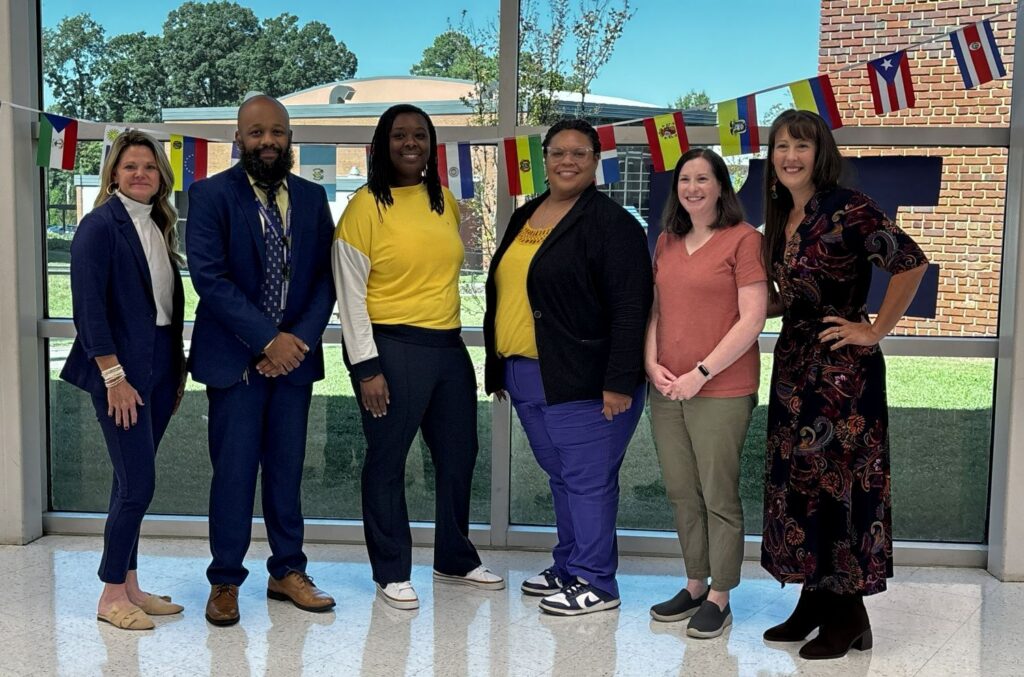
Joy Velasco, Office of Early Learning early literacy specialist supporting Lee County Schools, has worked alongside educators to strengthen instructional practices and support implementation. Beasley-Mungin acknowledged that staff members were initially hesitant about increased district and state involvement. Over time, however, that support became a resource that teachers increasingly valued.
The change reflects an important aspect of school improvement: moving from a culture where support may be perceived as a response to shortcomings to one where collaboration and coaching are understood as part of continuous improvement.
Making instructional time count
At Broadway, the commitment to shared responsibility is particularly visible during a daily instructional block known as GAME (Growing Academic Minds Every Day) Time. This block is similar to Susan Hall’s walk-to-intervention model, which allows students to receive short-term, targeted instruction from a teacher with expertise in a given skill.
For 30 minutes each day, every student participates in targeted intervention or enrichment based on identified academic needs. The model allows students to move beyond their assigned classrooms into flexible groups led by classroom teachers, tutors, and other instructional personnel. Student placement is informed by multiple sources of information, including Amplify mCLASS reports, NC Check-Ins, end-of-unit assessments, and classroom performance.
Groups are flexible and adjusted as students demonstrate progress or additional needs emerge. Some students receive focused instruction in foundational reading skills such as decoding, blending, or multisyllabic words. Others work on comprehension, writing, mathematics, or enrichment.
Depending on the grade level, approximately eight to 10 instructional groups may operate during the block, allowing the school to provide smaller groups for students who need more intensive support.
Broadway also benefits from a team of experienced tutors, many of whom are retired educators. Rather than simply assigning students to tutors, school leaders provide training, instructional resources, and access to assessment information so tutors can target specific skills.
Lynda Cummings, one of Broadway’s highly qualified tutors, described how that information helps her understand individual student needs and collaborate with teachers when adjustments are necessary. The model also allows students receiving exceptional children’s services, English learner support, or academically and intellectually gifted services to receive additional instruction without missing core classroom lessons.
While GAME Time is one of Broadway’s distinctive approaches, its effectiveness depends on the systems surrounding it. Teachers participate in weekly planning meetings and professional learning communities, with discussions intentionally aligned to assessment windows, instructional priorities, and student progress. School leaders regularly examine whether students are making progress, which strategies are working, and when instructional changes are needed. The goal is not simply to collect data, but to use it to make timely decisions about instruction.
Strengthening literacy through professional learning and support
Both schools have placed literacy instruction and ongoing professional learning at the center of their improvement efforts.
At Broadway, school leaders identified significant gaps in foundational reading skills, particularly among students entering the upper elementary grades. That led to a stronger emphasis on kindergarten through second grade instruction and ensuring teachers had the support needed to deliver effective foundational literacy instruction.
Perrell reported that the school’s second grade students finished the previous school year with the highest mCLASS proficiency in the district. As students’ foundational skills have strengthened, the school has increasingly shifted instructional conversations toward vocabulary, comprehension, and writing.
Perrell described the change as a significant departure from where the school was just a few years earlier, when educators were still working to address more substantial gaps in basic reading skills.
At W.B. Wicker, Beasley-Mungin has emphasized consistent literacy instruction across classrooms. He described the importance of ensuring that teachers have access to instructional expertise, modeling, and professional learning, particularly as they implement new curriculum resources.
The school’s work reflects the importance of recognizing differences in teacher experience and instructional capacity. Rather than assuming every educator enters the classroom with the same level of preparation, Beasley-Mungin and his team are working to identify where additional support is needed and connect teachers with resources to strengthen their practice.
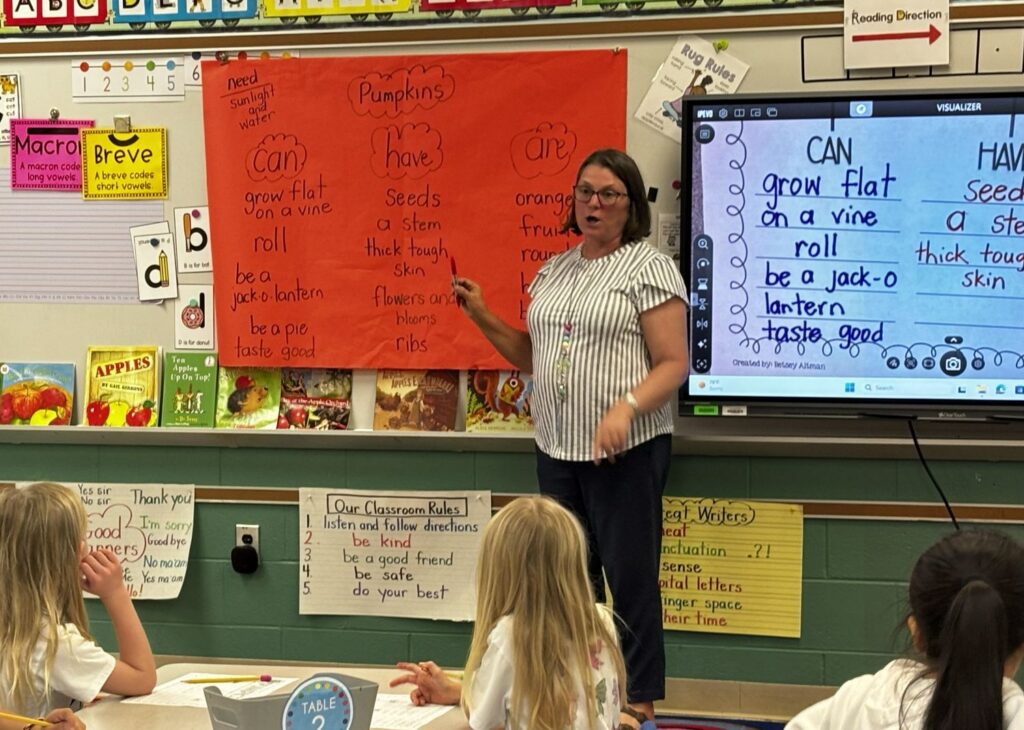
Core Knowledge Language Arts provides a consistent foundation for literacy instruction throughout the school. In the multilingual learner classrooms, educators like Mrs. Virginia Williams build on that foundation with additional language development strategies, including Guided Language Acquisition Design. These strategies emphasize academic vocabulary, visual supports, structured conversations, and opportunities to develop speaking, listening, reading, and writing skills while engaging with grade-level content.
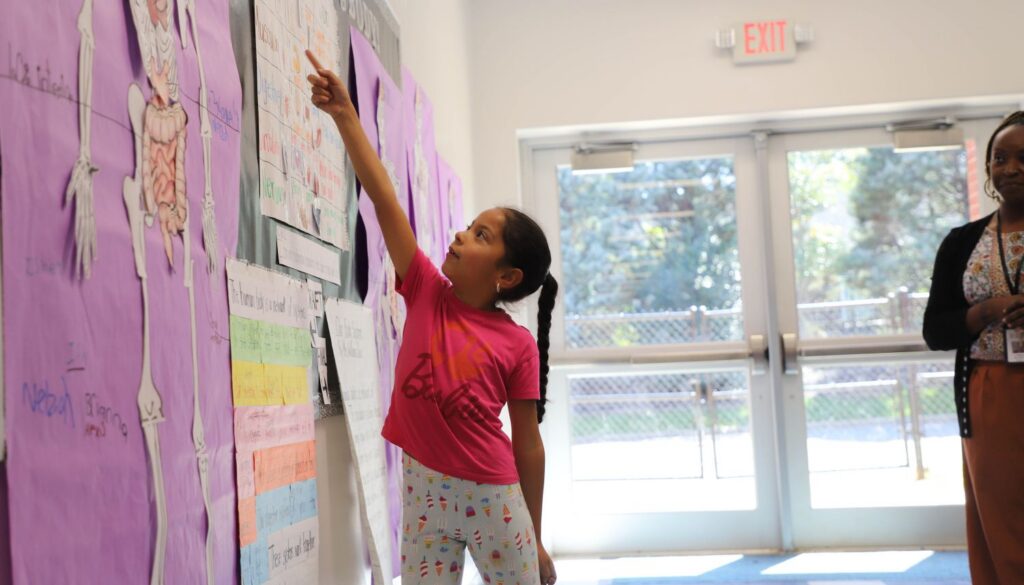
Velasco’s work across both schools provides an example of how state and district-level instructional support can contribute to local improvement efforts. At Broadway, she described spending considerable time supporting teachers during the earlier stages of the school’s improvement work. As instructional systems strengthened and educators developed greater capacity, the need for intensive support decreased.
While at W.B. Wicker, she has supported teachers’ navigation of curriculum implementation and strengthening instruction across different classroom settings. The experiences illustrate how professional learning and instructional coaching can be responsive to the needs of individual schools while supporting common expectations for student learning.
Recognizing that student success extends beyond academics
Although instructional improvement is central to both schools’ progress, leaders also emphasized the importance of relationships, student confidence, and family engagement.
At Broadway, Perrell has made recognition and encouragement visible parts of the school’s culture. Students receive positive phone calls home, handwritten notes, postcards, and opportunities to celebrate academic progress and personal accomplishments. Celebrations occur in real time, rather than only limiting them to the end of a grading period. Smaller milestones are recognized throughout the year to help students see that their efforts matter.
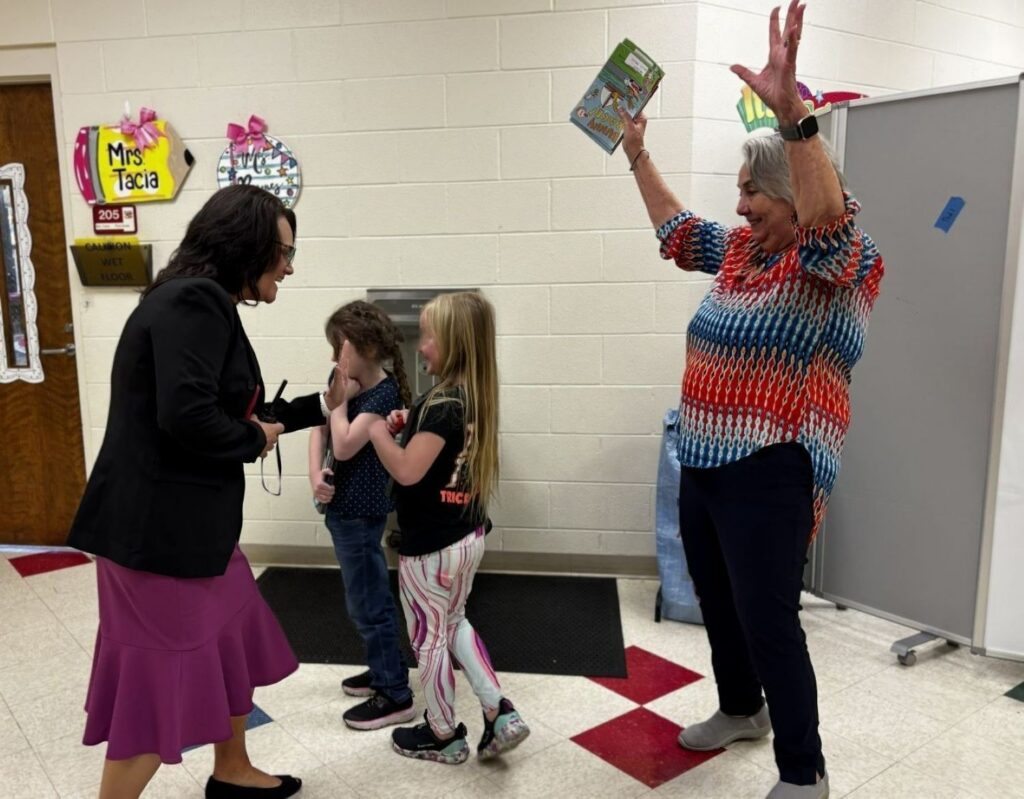
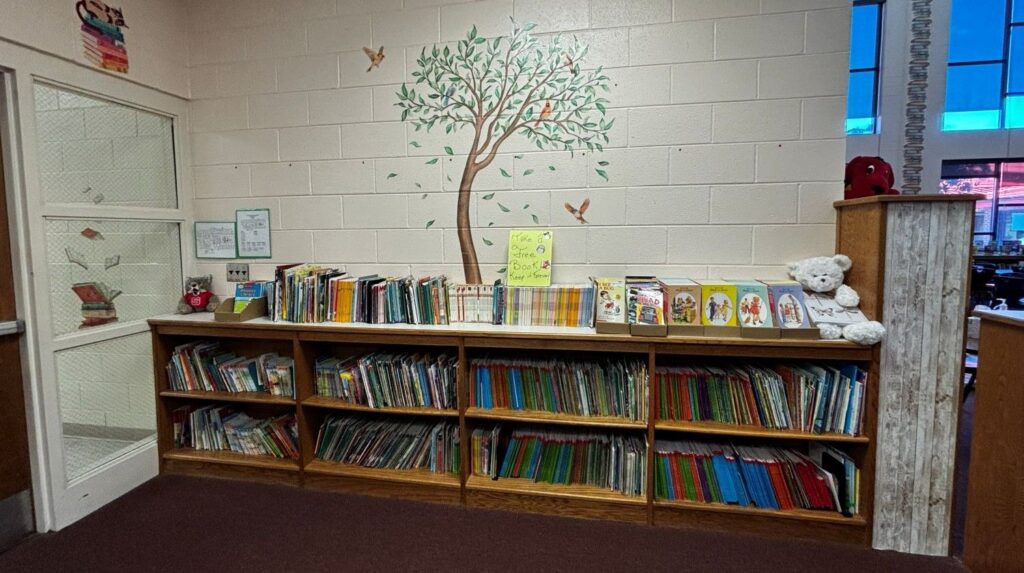
The school has also invested in expanding access to books. Through Title I resources, community partnerships, and donations, students receive books to keep at home, while a free book section in the media center provides additional opportunities for students to select reading materials.
For Perrell, increasing access to books is part of helping children develop a genuine interest in reading, particularly when families may have limited resources at home.
“Ms. Perrell uses her own money to buy books all the time,” Cummings said. “If you reach out to ask someone else for a set of books, the next thing you know, Ms. Perrell walks in with the entire set for you!”
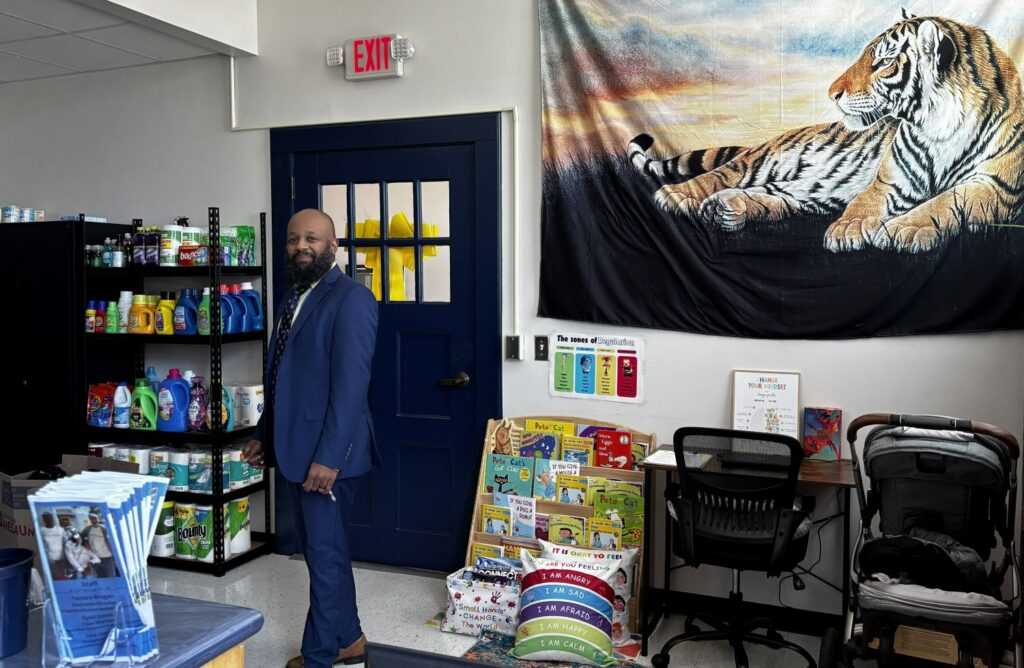
At W.B. Wicker, meeting student needs often requires addressing challenges that extend beyond the classroom. Part of the North Carolina Community Schools Coalition, W.B. Wicker is committed to supporting the whole child while maintaining high expectations for academic achievement.
Beasley-Mungin proudly shared the positive impact of the school’s Tiger Den Family Resource Center, which focuses on connecting families with food, clothing, transportation assistance, and other resources. The school has also worked with community partners to provide services such as haircuts and transportation vouchers for families experiencing barriers to school attendance or participation.
Beasley-Mungin described these efforts as part of removing obstacles that can interfere with students’ opportunities to learn.
Staff members also emphasized the importance of building relationships with students, understanding their circumstances, and helping them develop the confidence and skills needed to succeed. At both schools, relationships and academic expectations are not viewed as competing priorities. Instead, leaders see them as connected parts of creating environments where students feel supported and are challenged to grow.
From hope to belief: Recognizing progress
The work underway at Broadway and W.B. Wicker is producing results.
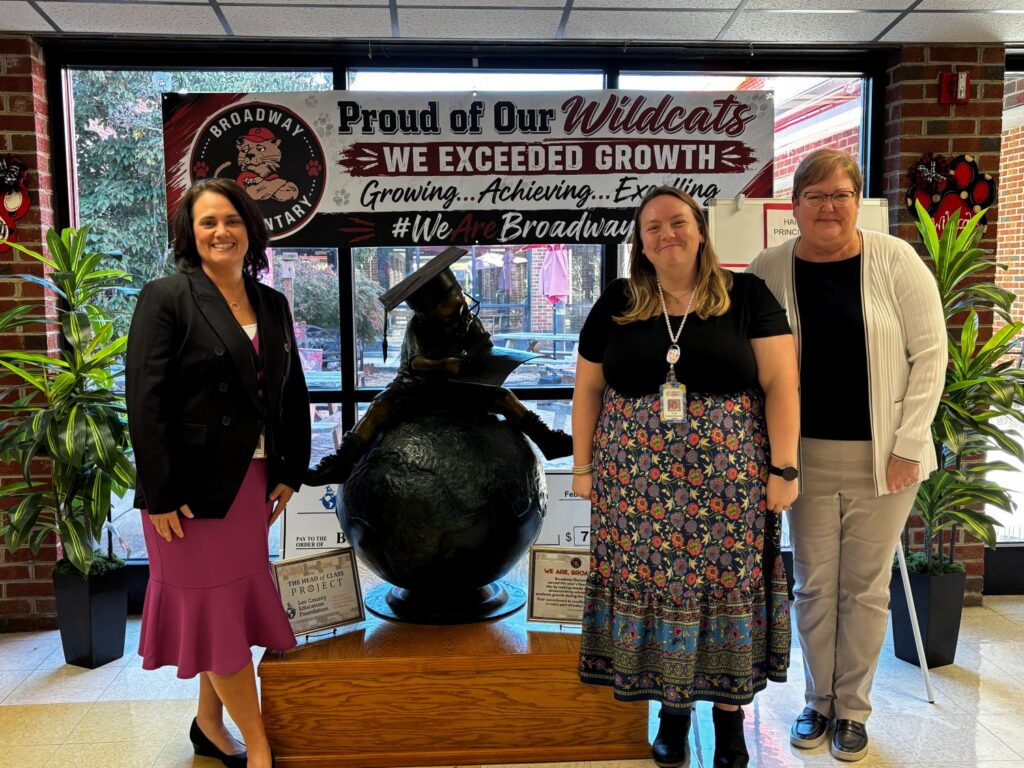
Broadway has recorded three consecutive years of academic gains, moved out of low-performing status, and earned Lee County’s Head of Class award. The Head of Class Project, supported by the Lee County Education Foundation, recognizes schools demonstrating significant academic improvement.
Stefanie Clarke, Lee County Schools’ executive director of accountability, planning, and performance, explained that the program was designed to recognize and reward schools making meaningful gains. The recognition includes financial awards for eligible staff members, extending beyond classroom teachers to others who contribute to the school’s success.
For Broadway, receiving the award represented more than a financial accomplishment. It was an opportunity for the school community to see that years of intentional work were producing results.
At W.B. Wicker, exceeding expected academic growth and achieving the district’s highest growth measure brought a similar sense of validation.
“People often expect Wicker to be on the bottom,” Beasley-Mungin shared as he described the emotional response among staff when the results were announced.
After years of navigating challenges, adjusting practices, and working to strengthen instruction, educators were beginning to see the impact of their efforts. The recognition also reinforced the importance of sustaining the progress already made.
Leaders at both schools recognize that improvement is ongoing. Academic gains do not eliminate the need for continued professional learning, instructional adjustments, or attention to students who are still struggling. But the results have helped strengthen confidence in the work. What began as a commitment to improving outcomes has increasingly become a shared belief that meaningful progress is possible.
Dr. Chris Dossenbach, Superintendent of Lee County Schools, stated:
“What is happening at Broadway and W.B. Wicker is a powerful example of the work taking place across Lee County Schools. Our educators have been incredibly intentional about strengthening early literacy instruction, using data to respond to individual student needs, and working together to make sure every child has a strong foundation for future success. The results are exciting, but what makes me most proud is the commitment behind them — teachers, school leaders, and support staff who believe deeply in our students and are willing to continually refine their practice to help them succeed. We are seeing what is possible when high expectations, effective instruction, and a belief in every child come together.”
Sustaining the momentum
For Lee County Schools, moving from five low-performing schools to zero is a significant milestone. The experiences of Broadway and W.B. Wicker demonstrate that meaningful school improvement does not come from a single program, strategy, or leader. It comes from dedicated educators, strong leadership, effective instruction, and a shared belief in what students can accomplish.
While the approach may look different in each school, the commitment to student success remains the same. The challenge now is sustaining that progress and building on what is working.
Ultimately, Lee County’s story is about more than improved numbers. It is about the people and collective commitment behind them and what becomes possible when hope turns into belief.
This article first appeared on EdNC and is republished here under a Creative Commons Attribution-NoDerivatives 4.0 International License.