
From Discovery to Connection: Lessons from Hillsborough
February 11, 2026
by Brittany Gregory, ncforum.org
In late October, I visited two elementary schools in Hillsborough—Grady A. Brown Elementary (GAB) and Central Elementary School (CES)—to learn more about their innovative STEM and STEAM labs.
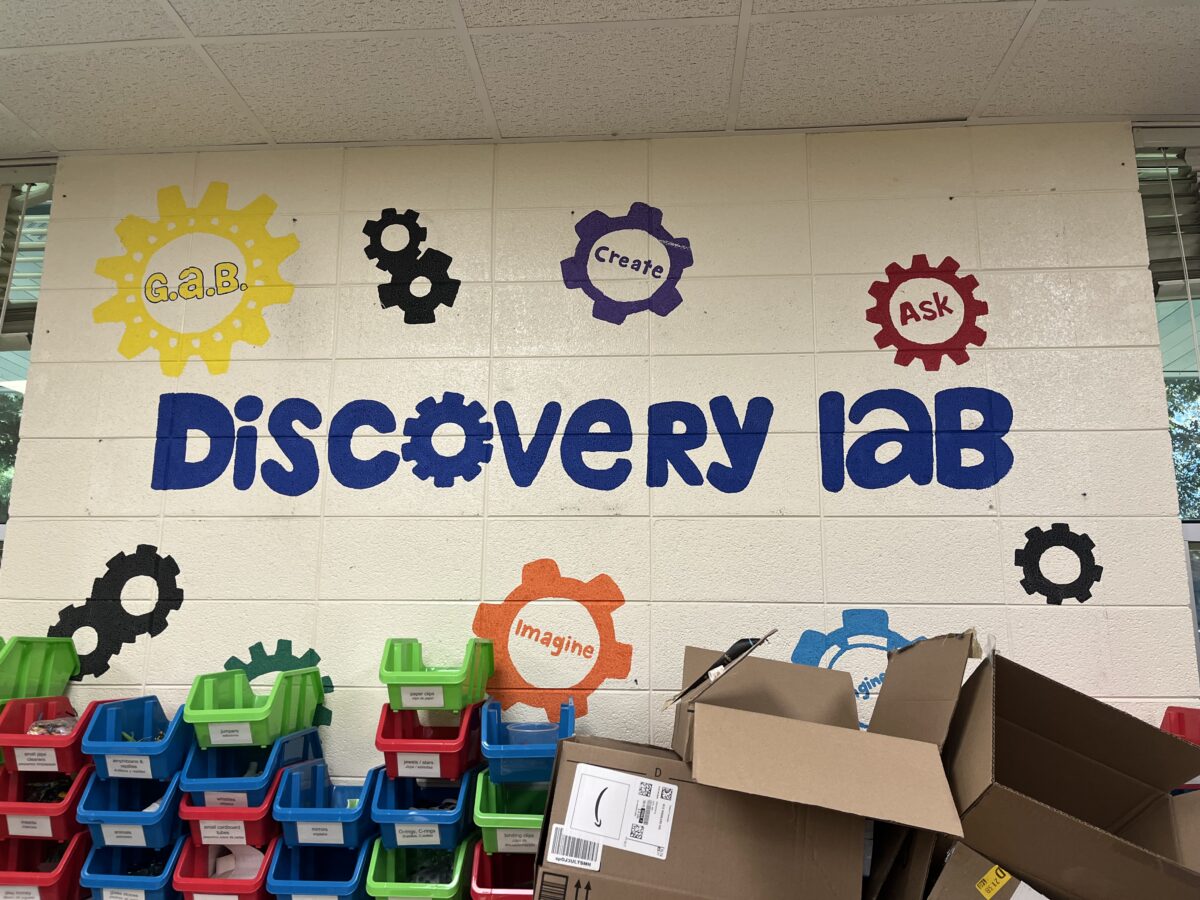
At Grady A. Brown, the Discovery Lab was born from two teachers who, in 2016, combined their Burroughs Wellcome Fund PRISM Awards to create a space where science, math, and imagination could collide. They didn’t just build a lab; they built confidence. While GAB isn’t a Community School, it sits just down the road from one—and that proximity has become a partnership.
This fall, GAB opened its doors to welcome administrators, teachers, and Community School Coordinators from across the state who are preparing to launch their own labs through a university-assisted community school (UACS) pilot with students from Duke University’s Pratt School of Engineering. What began as one school’s innovation is now a shared learning opportunity connecting educators from different districts and models around a common goal: hands-on, whole-child learning.
The pilot aims to replicate elements of the Central Elementary STEM Lab in Community Schools across seven districts:
- Clarke Elementary School (Vance County),
- Club Blvd. Elementary School (Durham County)
- Fayetteville Street Elementary School (Durham County)
- Gaston STEM Leadership Academy (Northampton County)
- Lakewood Elementary School (Durham County)
- Washington Street Elementary School (Richmond County)
- Windsor Elementary School (Bertie County)
Each lab will be equipped with furniture and manipulatives aligned with ten monthly engineering design lessons. Schools will also have access to an online STEM Hub that houses lesson plans, worksheets, inventory lists, teacher feedback forms, and centralized sign-up systems to support long-term sustainability.
Walking through the Discovery Lab, Shannon Floyd, GAB’s STEM champion, guided us through lessons and design projects. You could feel the joy of discovery in the room—the hum of teamwork, trial and error, and that quiet spark when a child realizes they can make something work. As an educator and a parent, it reminded me why hands-on learning matters: it meets the needs of the whole child.
Before heading to Central, I spoke with Jill Rogers, STEM Coordinator for Richmond County Schools. We discovered a shared connection to Moore County—where I grew up and where she once taught. As we stepped outside, we ran into Tonya Wagner, Director of Federal Programs at Orange County Schools—and, in a small-world moment, my former high school math teacher and Jill’s former principal. It was one of those beautiful reminders that in education, there are no goodbyes, only “see you laters.”
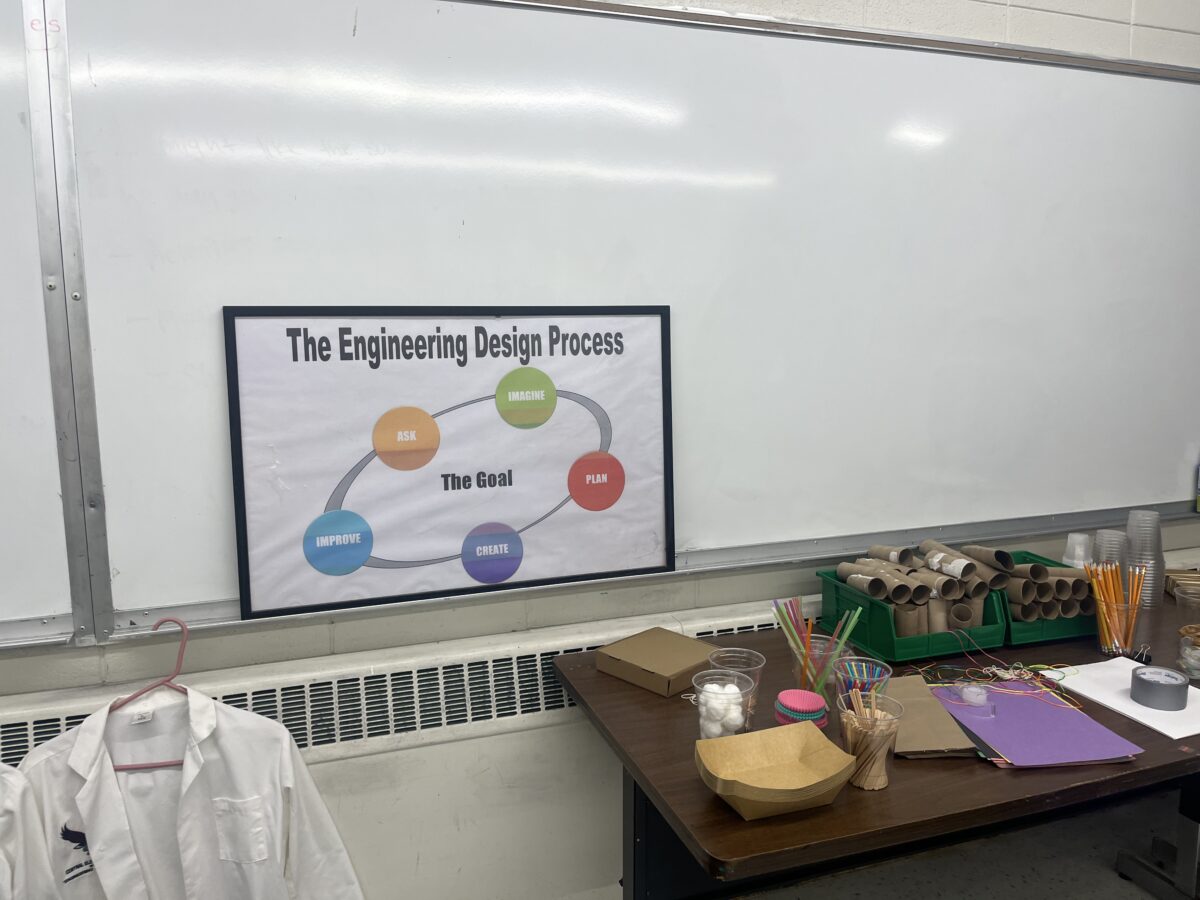
At Central Elementary, the new lab is freshly stocked and full of possibility. Brittany Parkins, the school’s Community School Coordinator, shared how the engineering design process teaches students not just to solve problems, but to listen, collaborate, and try again. The mentorship from Grady Brown provided both model and momentum, helping Central launch with confidence.
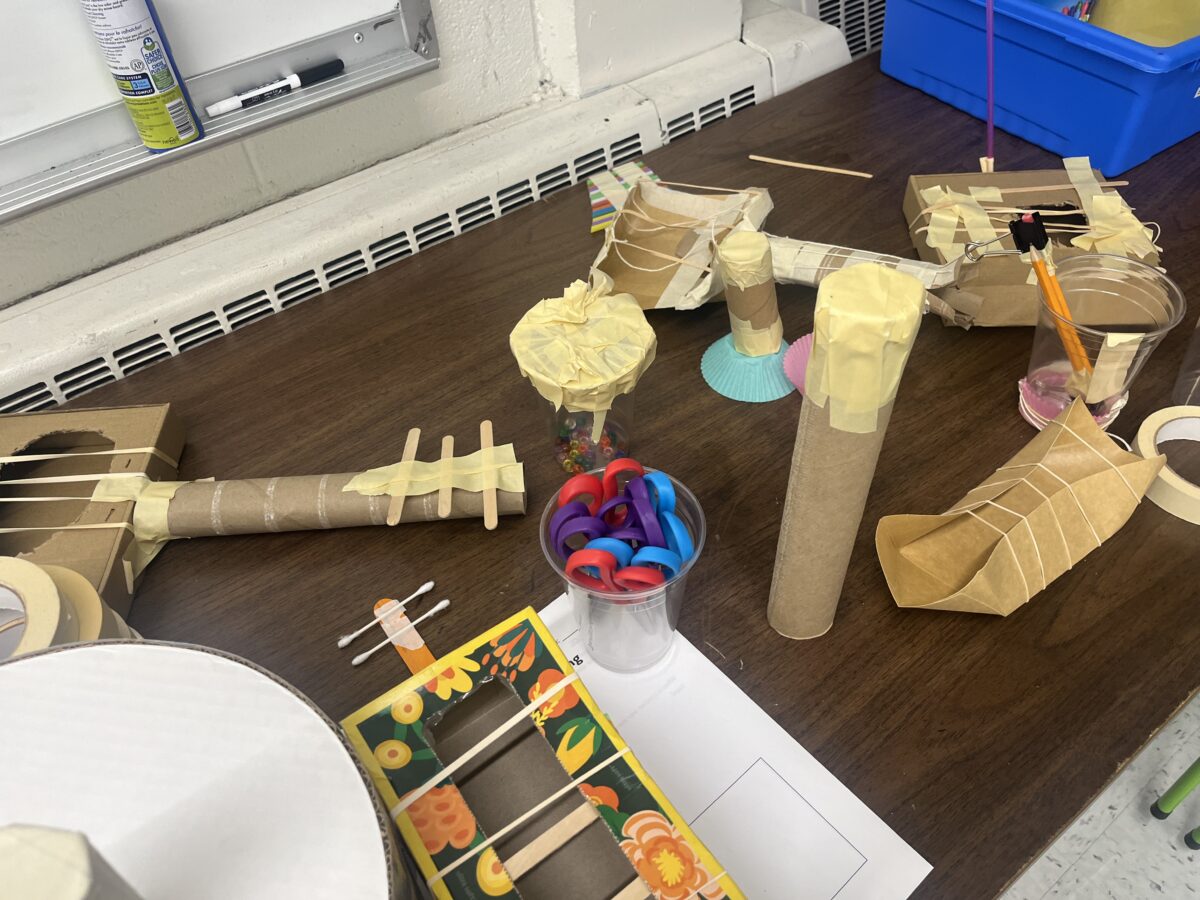
Brittany also shared that at the school’s fall festival and curriculum night held on November 7, 2025, UNC Chapel Hill students would be demonstrating lab activities—bringing families, teachers, and students together in shared curiosity. It’s a simple but powerful example of how higher education partnerships strengthen school communities and help families feel connected to what their children are learning.
The collaboration between Grady A. Brown and Central Elementary reflects the very spirit of the Community Schools approach: schools learning from one another, sharing strengths, and weaving together resources to serve every child. It shows that the Community Schools model doesn’t just live within the walls of one building—it radiates outward, building bridges between educators, families, and communities.
Community Schools remind us that transformative change is possible when we center people over programs. Behind every data point is a story, and behind every story, a community willing to innovate, connect, and dream.