Snow on the Coast: Coordinated Impact in Hyde County
April 6, 2026
by Brittany Gregory, ncforum.org
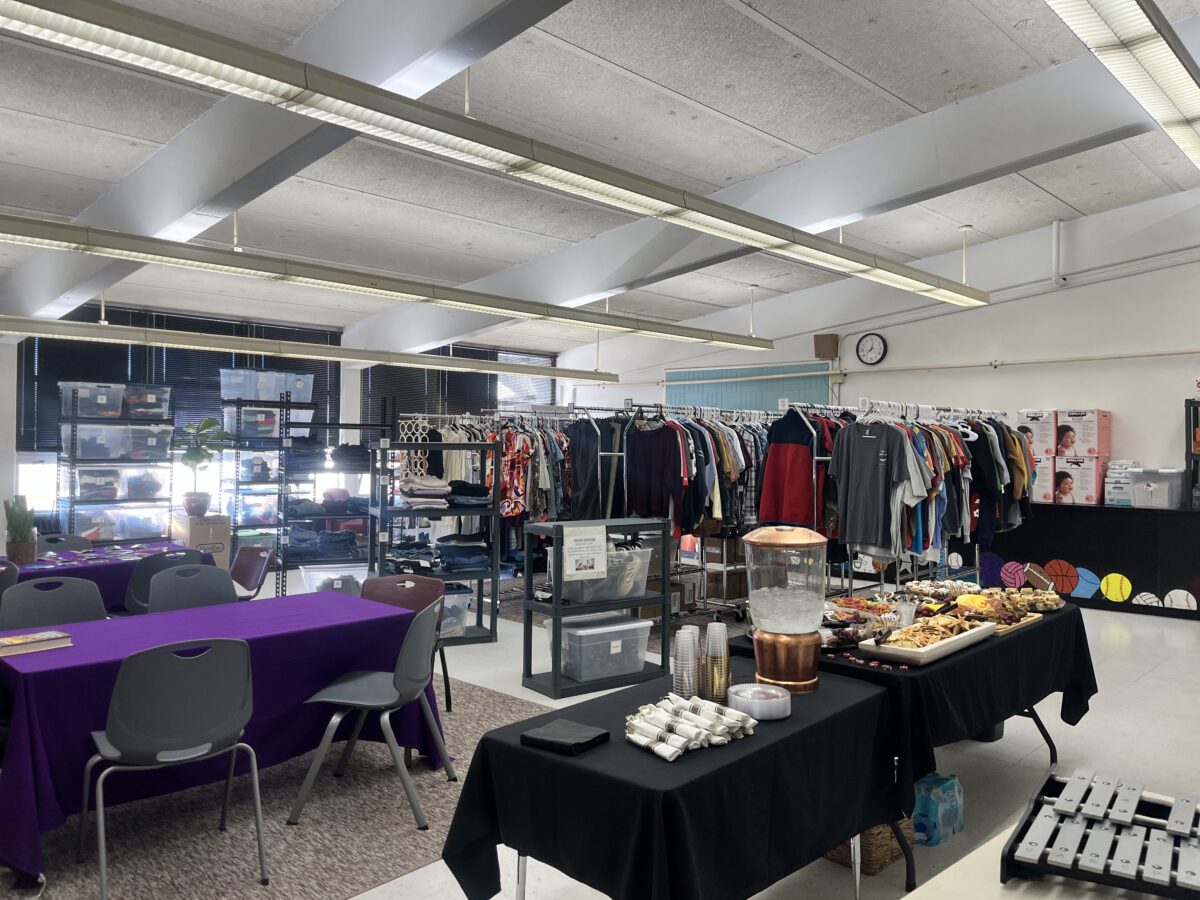
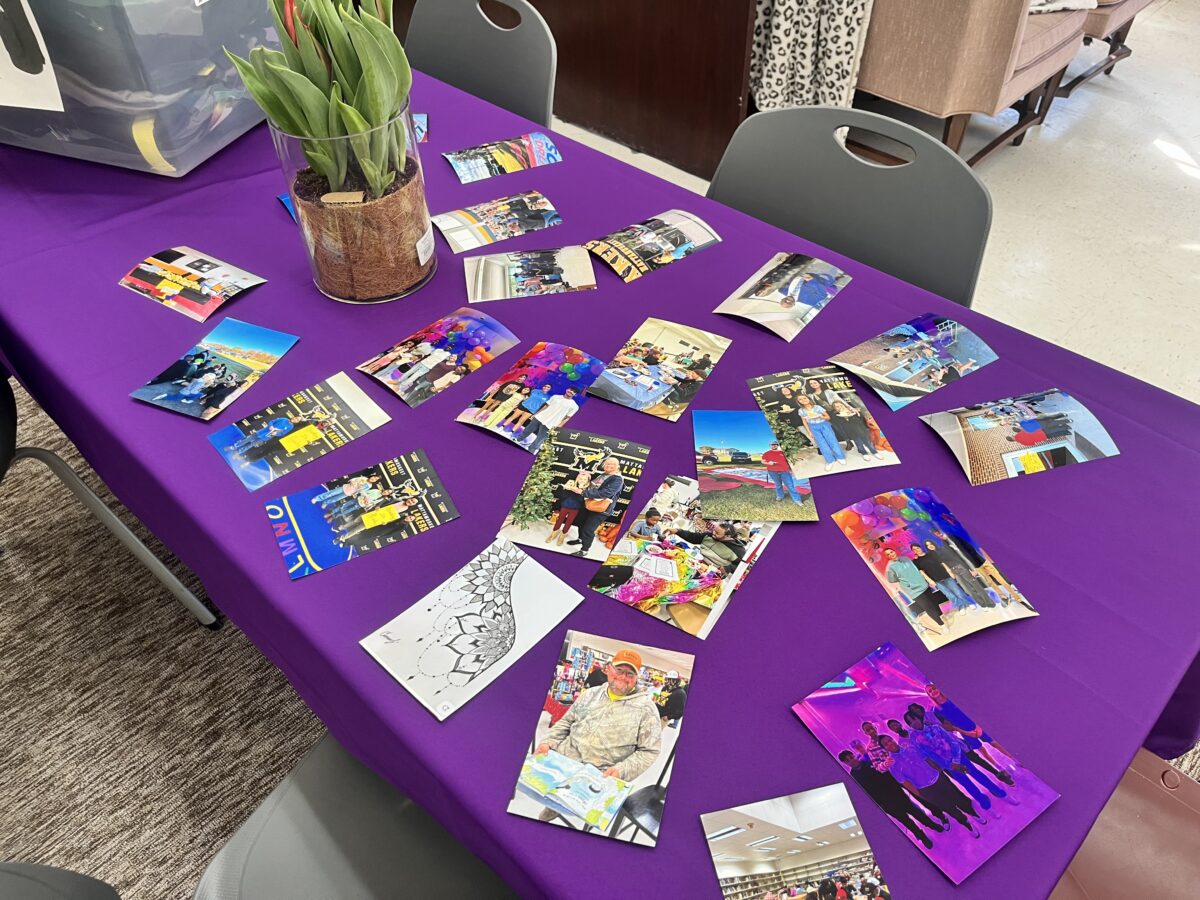
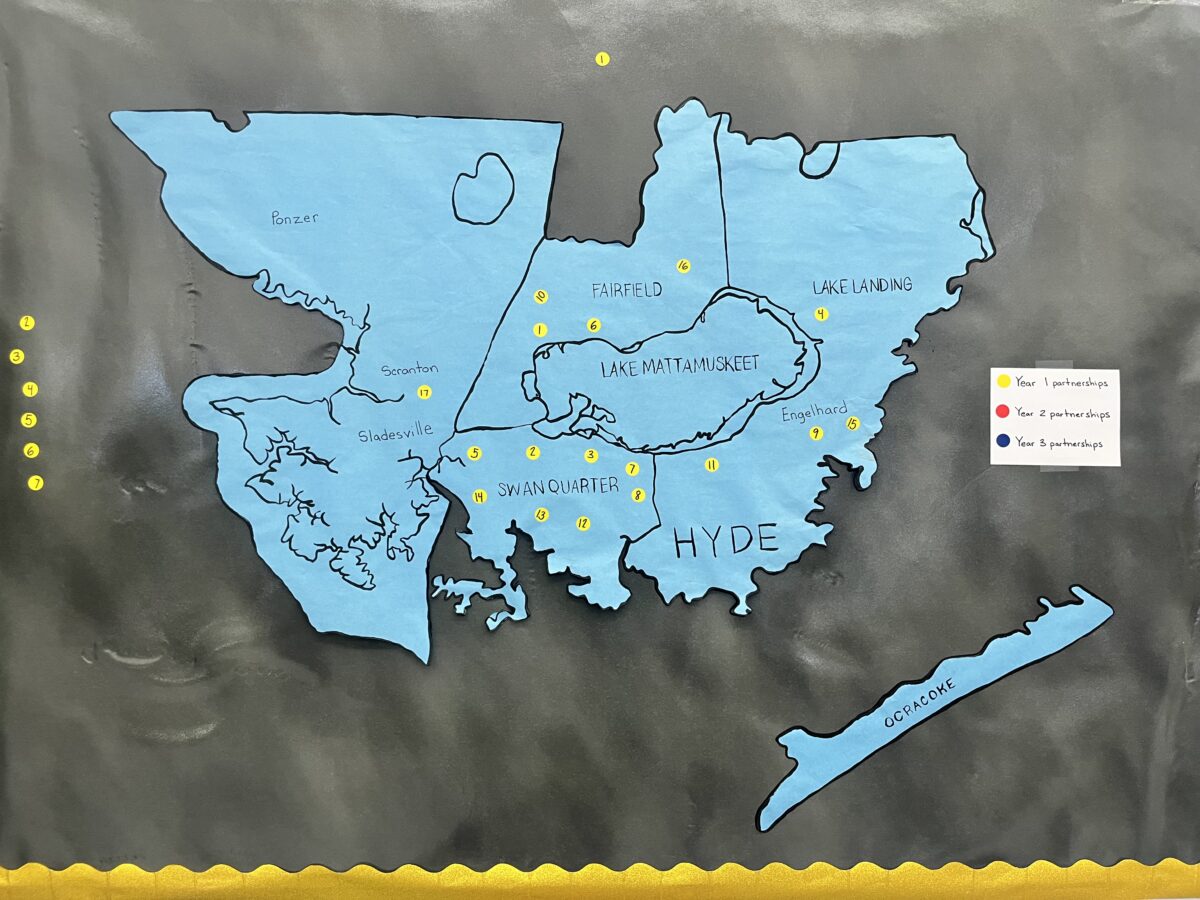
Snow lingered on the ground in Swan Quarter — an uncommon sight along North Carolina’s coast — as community members gathered at Mattamuskeet School for a Community Schools roundtable and Family Resource Center ribbon cutting.
Student leaders from FFA, SkillsUSA, and the cheer team welcomed guests. Inside, the room reflected the breadth of Hyde County: the superintendent, retired educators, local business leaders, homeschool families, county officials, and parents whose connections to the school stretch back generations. In a k-12 school serving roughly 310 students across 160 families, relationships are not peripheral to the work. They are foundational.
The ribbon cutting itself was facilitated by the county manager, whose leadership — alongside the board of commissioners — reflects a broader local commitment to supporting schools as part of the county’s long-term stability and growth.
A Model Built on Alignment
Representatives from East Carolina University shared how Mattamuskeet is part of a nine-school rural cohort supported through a university-assisted Community Schools partnership, aligned with the statewide framework advanced by the North Carolina Community Schools Coalition. The model supports communities of any size — rural, suburban, or urban — with coordination as its core strategy.
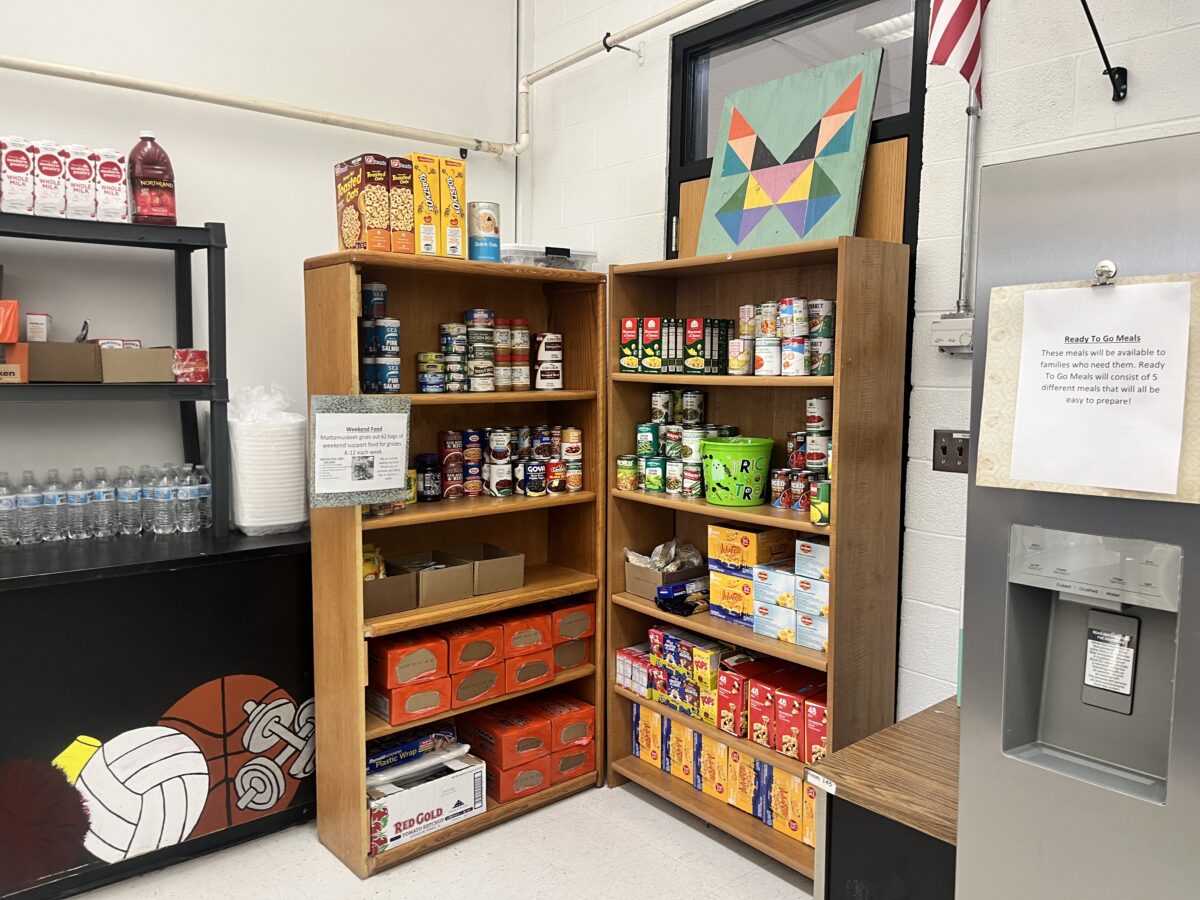
Rather than introducing new programs in isolation, Community Schools align leadership, partners, and existing assets around shared student-centered priorities. In Hyde County, that alignment includes:
- Telehealth access
- Mental health partnerships
- Middle school tutoring
- Book buddies and lunch buddies
- A spring health fair, including assistance for families navigating heir property deed issues
- Summer programming in development with ECU
The superintendent’s presence underscored that this work is integrated into district strategy, not operating on the margins.
Community Schools operate in that space between immediate needs and long-term impact.
Practical Investments, Durable Outcomes
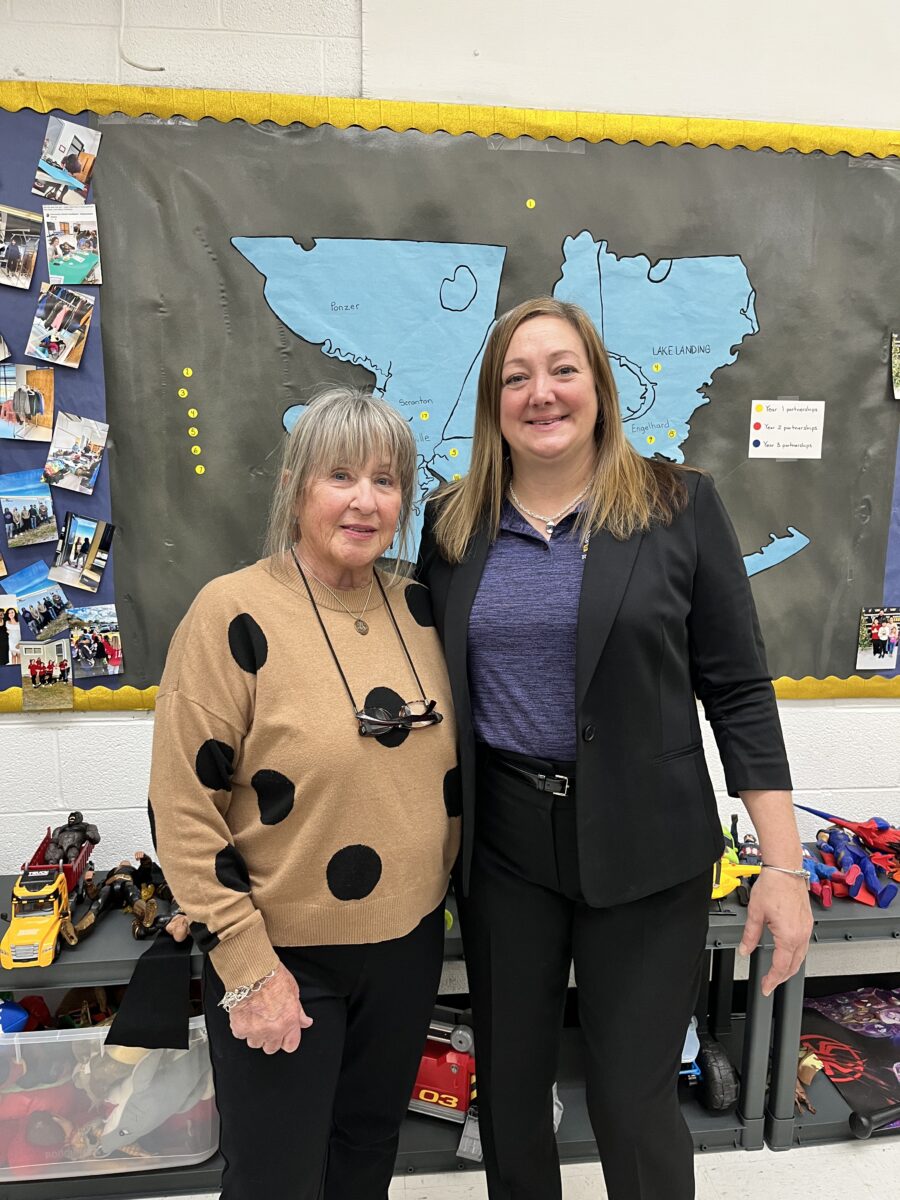
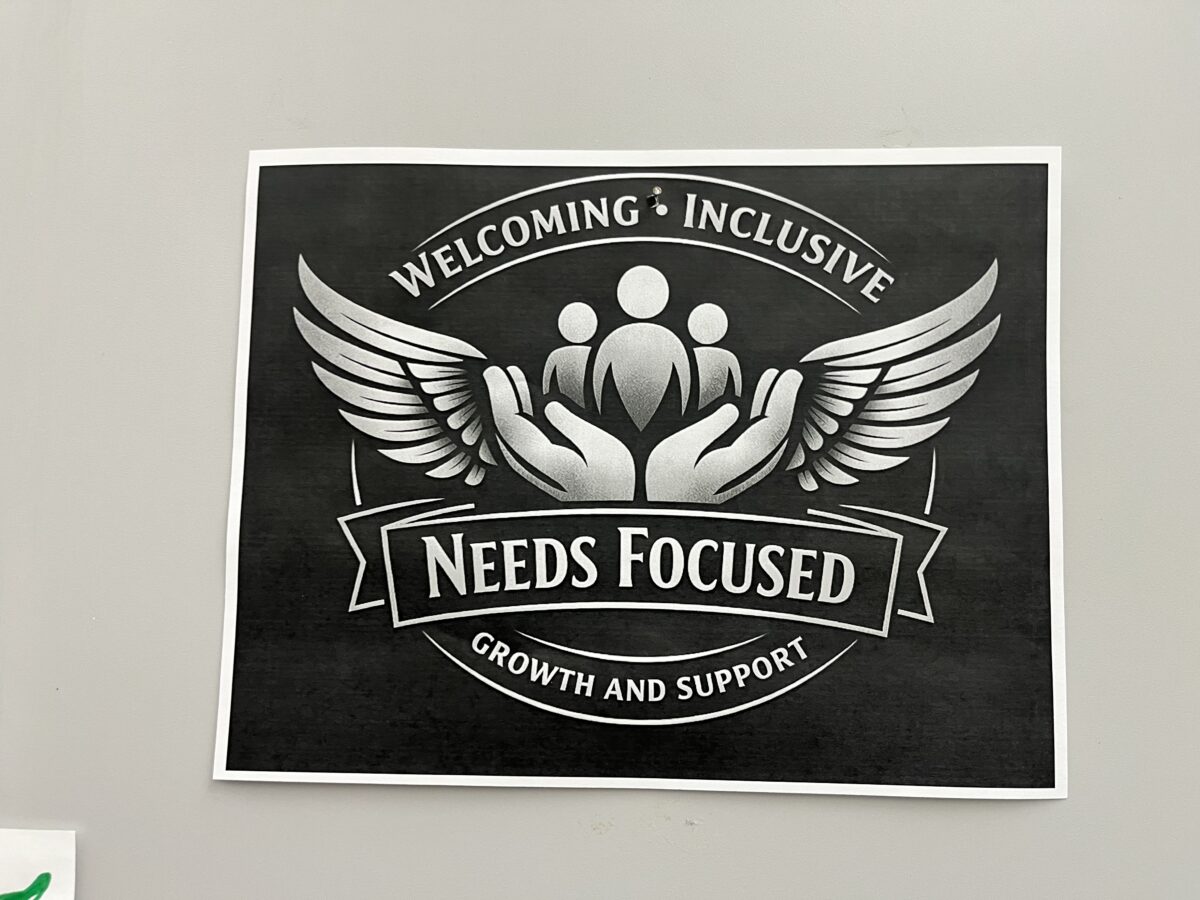
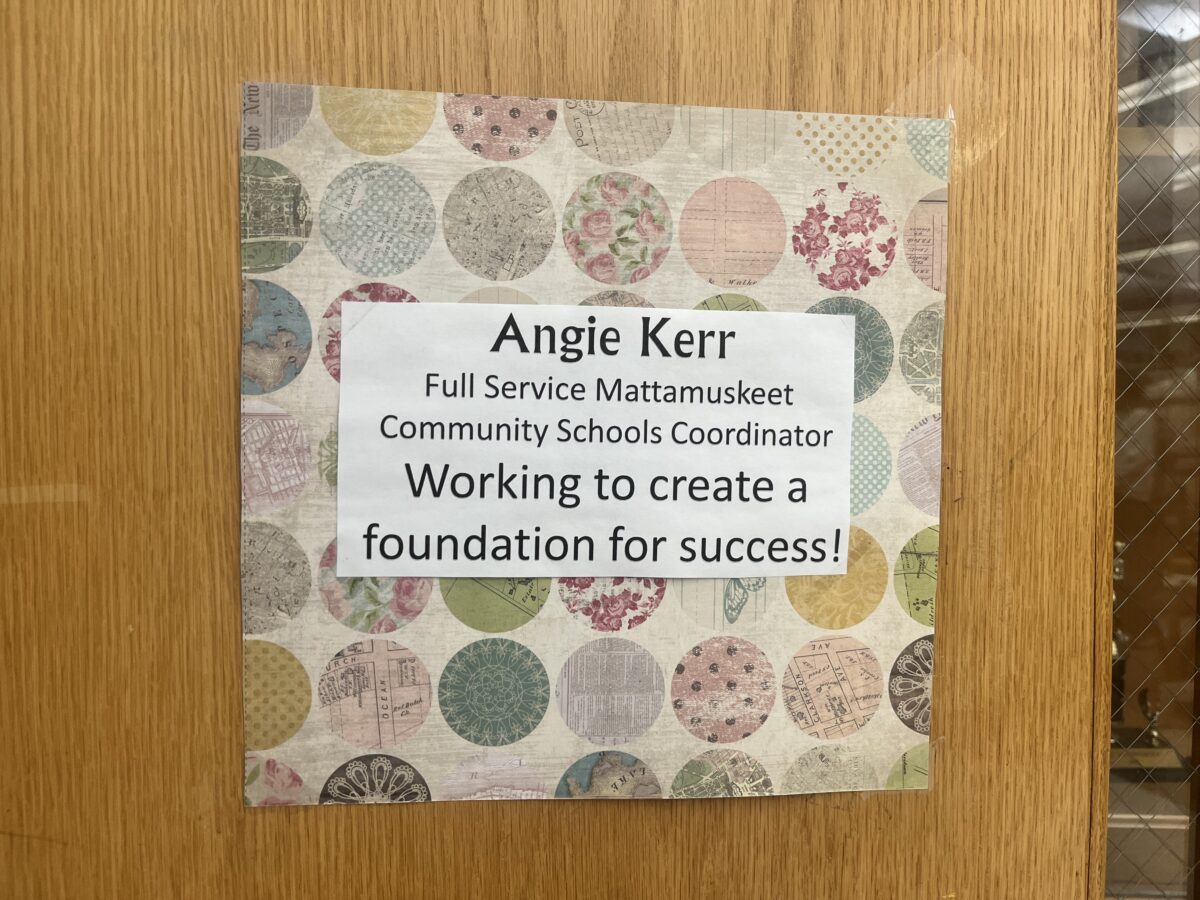
Community School Coordinator Angie Kerr highlighted WINGS — Welcoming Inclusive Needs-Focused Growth and Support — a program connecting high school students with special needs to local businesses through structured volunteer opportunities and community engagement.
WINGS creates pathways for participation:
- Low-pressure volunteer roles
- Support for social inclusion
- Community-based outings
- Visible representation through shared apparel
The goal is meaningful involvement in the broader life of the county.
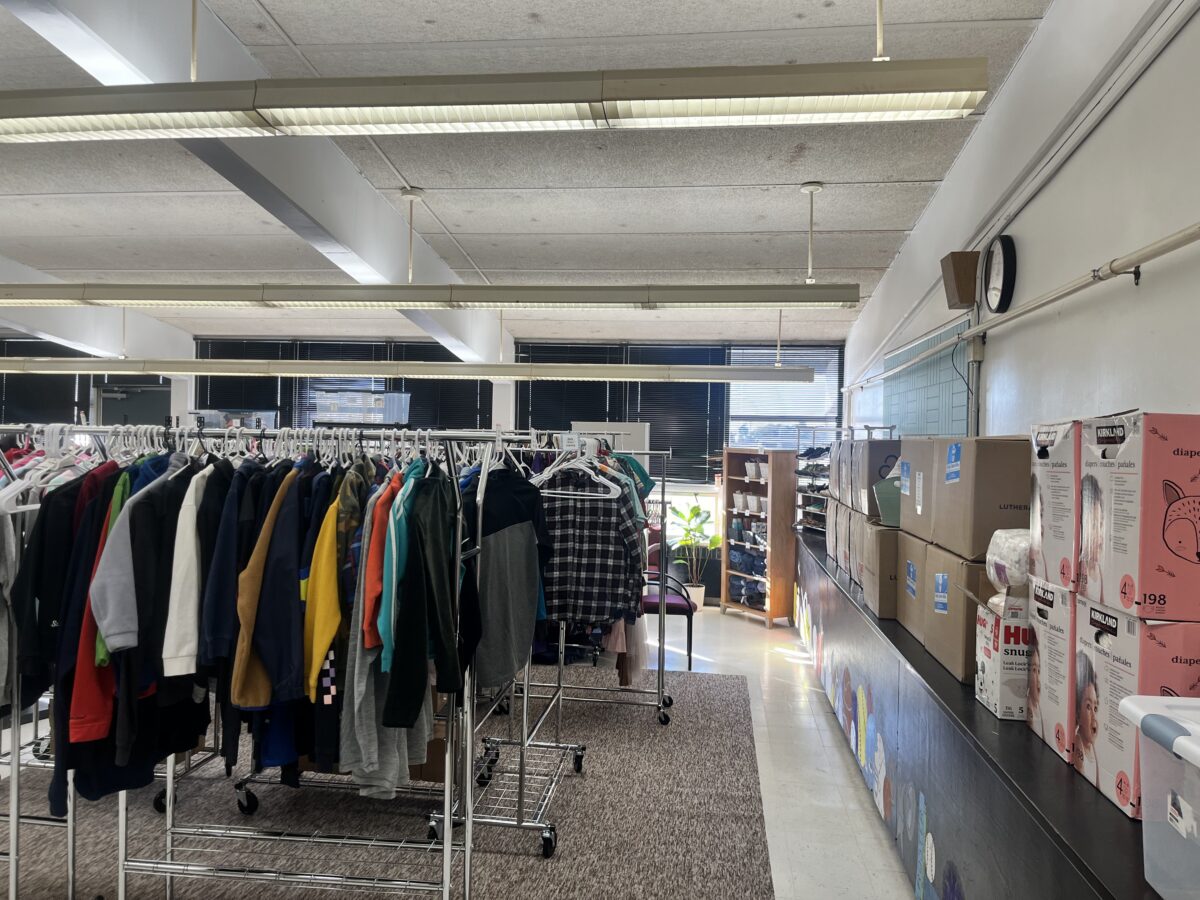
Kerr also shared a recent addition to the exceptional children’s classroom: a washer and dryer. The equipment supports life-skills instruction while also addressing a practical barrier for students who may not consistently have access to clean clothes.
These kinds of investments are modest, targeted, and strategic. They influence attendance, confidence, and readiness — factors that shape long-term outcomes even when they are not immediately reflected in traditional data points.
Community Schools help change local narrative by making coordinated work visible.
Expanding Opportunity While Strengthening Home
Hyde County faces familiar rural realities: population shifts, workforce transitions, and school consolidation pressures. In that context, exposure and option-building matter.
Field trips and summer campus experiences broaden horizons. Partnerships extend what a small district can offer. At the same time, school leaders affirm that success does not require leaving home.
“Our students will be your neighbors,” Kerr shared. “We love the county we live in. There is greatness to be had.”
The message is both practical and forward-looking: students can pursue opportunity wherever it leads, and the community remains a viable place to build a life.
Coordinated Growth at the Coast
The turnout at Mattamuskeet included the Chamber of Commerce, county leadership, health sector representatives, and retired educators. Even with a rescheduled rival basketball game against Ocracoke happening simultaneously, attendance was strong.
That participation reflects more than support for a single event. It reflects confidence in a framework that connects education, health, workforce, and community engagement under one strategy.
In a district of this size, coordination compounds quickly. Relationships accelerate implementation. Trust reduces friction. When systems align, even small investments have multiplier effects.
On a coastal afternoon marked by lingering snow, the gathering in Swan Quarter offered a clear example of what steady, cross-sector coordination can produce: a school positioned not only as a place of instruction, but as a structured hub for long-term community stability.
The work is disciplined. It is relational. It is measurable over time. And it is happening every day along North Carolina’s far eastern edge.