Strengthening Rural Communities Together: Business and Community Schools in Sampson County
February 11, 2026

by Brittany Gregory, ncforum.org
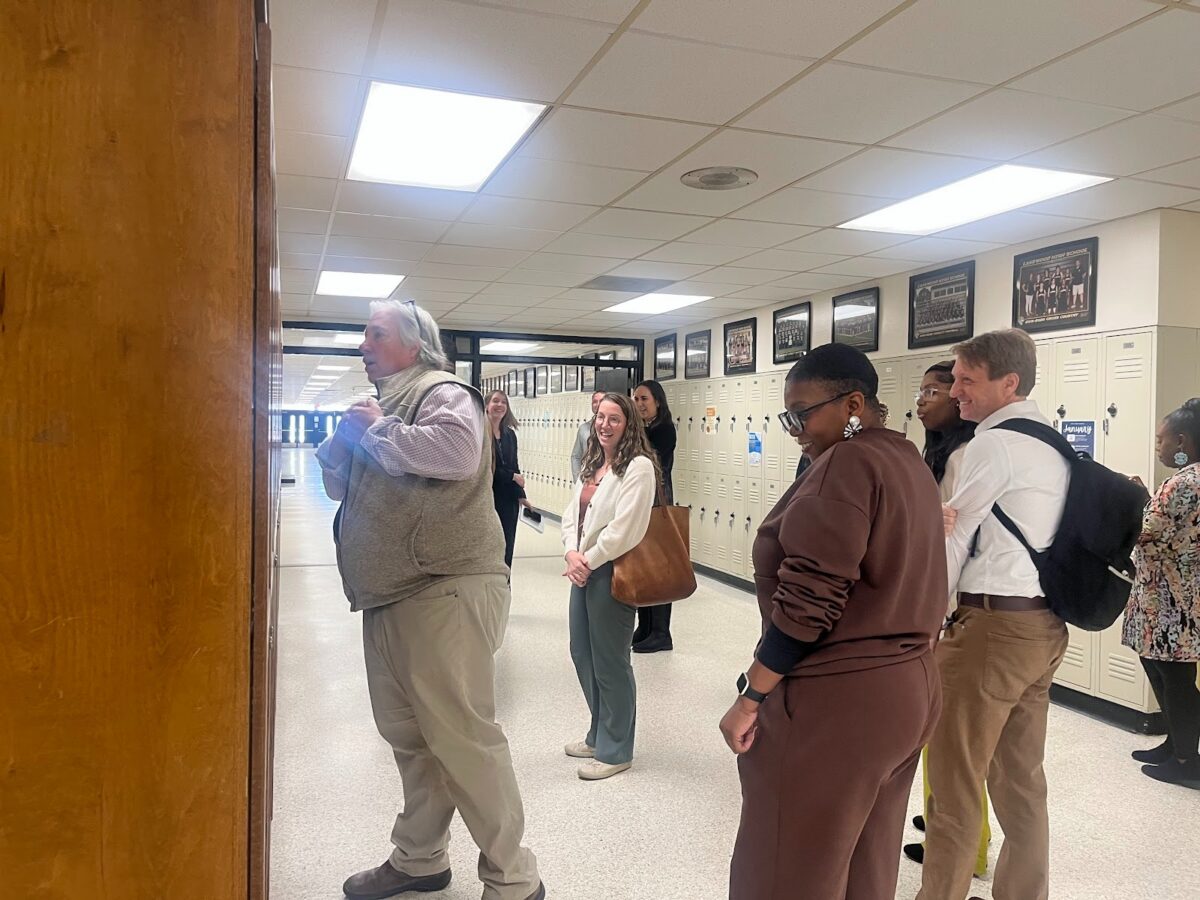
On January 21, community, business, and education leaders gathered in Sampson County for a two-site visit that illustrated the growing momentum behind the Community Schools model and its role in strengthening rural communities.
The convening brought together representatives from Sampson County Schools, local businesses, the North Carolina Community Schools Coalition, and partners from Education Is Everyone’s Business. What emerged was not simply interest in a model, but alignment around a shared belief that schools function as critical community anchors. Workforce readiness, family stability, and long-term economic vitality were consistently named as interconnected outcomes rather than competing priorities.
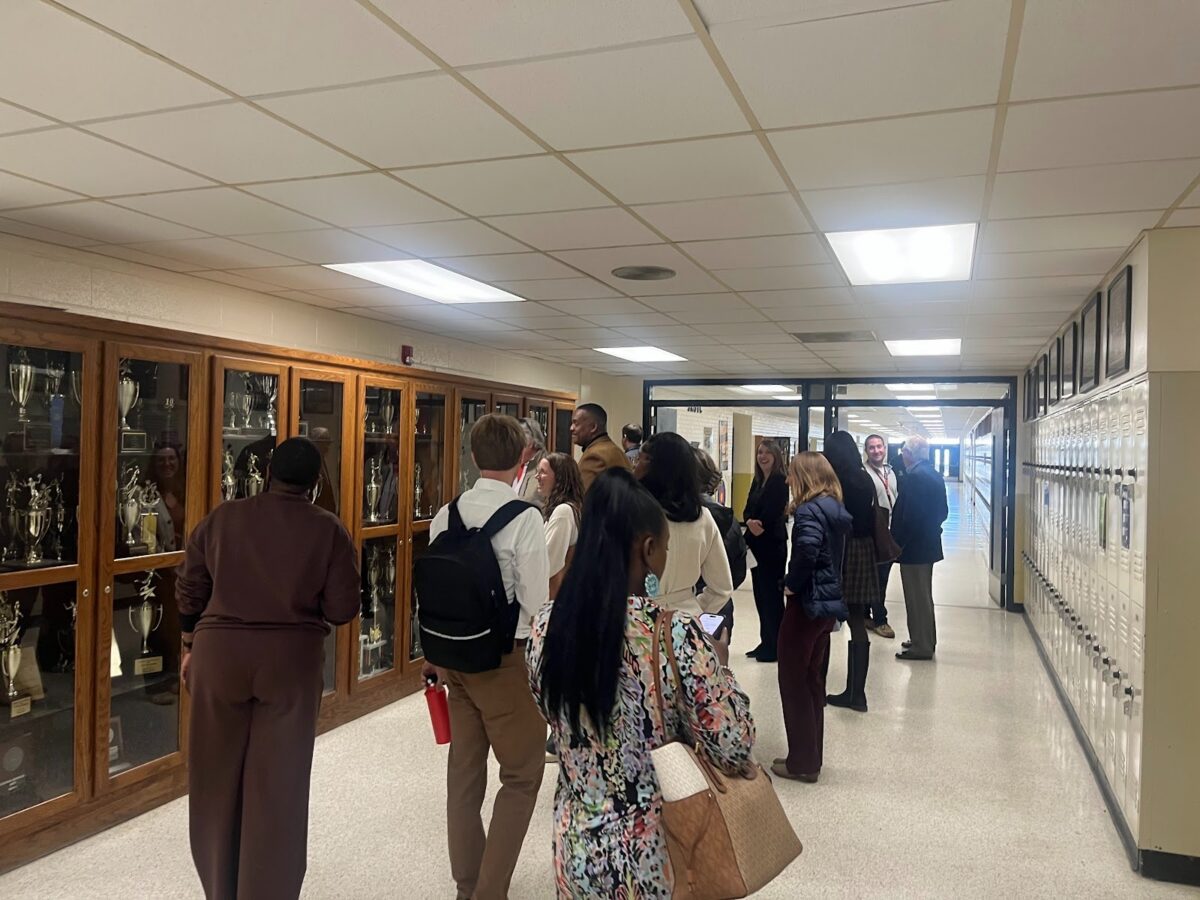
The visit began at Lakewood High School in Salemburg, where participants toured the campus alongside the school’s Community School Coordinator. The conversation was deeply rooted in place. Between district leaders, business representatives, and coordinators, seven Lakewood High School graduates were present, underscoring how schools serve as long-standing anchors across generations. One business owner shared that his mother, a retired Lakewood teacher, continues to shape the community today, as former students still stop by his store to reflect on her influence.
Business leaders spoke candidly about the economic realities facing Sampson County, including the decline of manufacturing, the loss of long-standing businesses and banks, and the challenge of preparing the next generation of hometown leaders amid shifting employment opportunities. They also named the pressures facing today’s families who are raising children while navigating unstable work schedules, limited local job options, and wages that often do not align with the cost of raising a family.
For current parents of Sampson County public school students, these employment challenges show up in very real ways, from transportation barriers and food insecurity to difficulty accessing health care and child care. In that context, Community Schools were discussed not as an add-on, but as a practical approach to strengthening institutions that already hold trust and local pride, while helping families remain rooted and supported as they work.
During the Lakewood tour, conversations naturally turned toward Career and Technical Education and partnerships with local businesses. Participants discussed how CTE pathways can be strengthened through closer coordination between schools and employers, particularly in rural communities where students often want to stay close to home but need clearer connections between education and viable career options. These conversations reinforced the role Community Schools can play in aligning local talent, workforce needs, and student aspirations.
Concrete examples illustrated how the model translates into action. Coordinators described partnerships addressing food insecurity through donated refrigerators and freezers, supporting student mental health through SPARCS groups, and quietly removing barriers for students in ways that protect privacy, especially at the high school level. Flexible Community Schools funding has enabled field trips for exceptional children, classroom accommodations for students with medical needs, updated media center furnishings that reshape learning environments, and tools to document and preserve local school history.
The group then traveled to Salemburg Elementary School for lunch and a business roundtable discussion focused on next steps. District leaders emphasized that public schools remain central to Sampson County’s economic future. Business leaders reflected on the tension between competitive tax policy and the reality that North Carolina ranks near the bottom nationally in education funding and teacher pay.
Rather than abstract messaging, participants emphasized how firsthand experiences like school visits, relationship-building, and shared stories equip business leaders to be more effective champions for Community Schools and North Carolina’s public schools. Seeing the work in action grounded their advocacy and strengthened their ability to speak with credibility to peers, policymakers, and local networks.
Salemburg’s principal shared a telling example of the Community Schools impact on school culture and workforce stability. When she first arrived, the school faced hiring challenges. Following implementation of the Community Schools model, more than 20 teachers requested to transfer to the school. This shift was attributed to improved climate, stronger relationships, and additional capacity that allows educators to focus on instruction.
Across both stops, school leadership consistently pointed to the value of Community School Coordinators as steady, trusted members of the school community, many with deep local ties. Leaders emphasized how coordinators help families navigate school systems, reduce the load on teachers, and braid together local partnerships and public resources to expand access to health, wellness, and basic needs supports.
The day closed with a shared recognition that this work is long-term and relational, shaped by trust, flexibility, and sustained investment. At the same time, there was clear readiness among local leaders to carry the work forward.
The momentum in Sampson County highlights the importance of investing in approaches that build on existing community strengths rather than introducing parallel systems. Community Schools demonstrate how flexible resources, local leadership, and cross-sector collaboration can reinforce institutions that communities already rely on, while responding to today’s economic realities. In rural contexts, where schools often serve as the most stable public infrastructure, this model offers a durable pathway for strengthening families, workforce readiness, and community resilience over time.