
When Innovation Travels Both Directions
June 17, 2026
When people think about innovation in public education, they often imagine large districts, big cities, and well-resourced systems. Rural communities are too often viewed through a lens of scarcity—places expected to look elsewhere for ideas, expertise, or solutions.
A recent visit to Mount Gilead Elementary School in Montgomery County offered a different story.
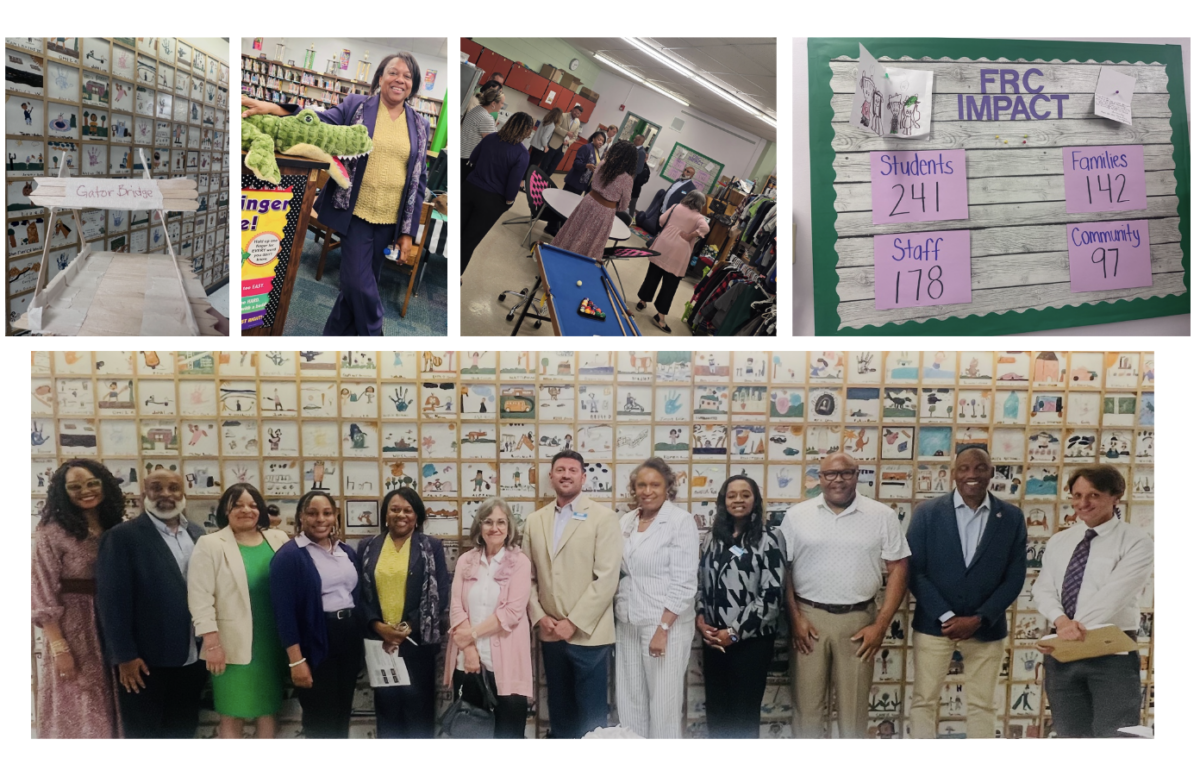
This week, Montgomery County Schools welcomed a leadership team from Charlotte-Mecklenburg Schools to learn alongside educators, families, and community partners engaged in the district’s NC Community Schools work. What unfolded was a powerful reminder that leadership, innovation, and community-driven solutions can emerge from communities of every size.
A Bridge Between School and Community
The visit centered on Mount Gilead Elementary School’s Family Resource Center, known as the Gator Bridge. The name is fitting. The Gator Bridge was designed to connect families, students, staff, and community members to the resources and relationships they need to thrive. Located near the front of the school with its own entrance, the center provides a welcoming space that protects dignity while increasing access to support.
Yet the Gator Bridge represents more than a room within a school building.It is a reflection of how communities come together around children.
Since opening, the Gator Bridge has served hundreds of students, family members, staff, and community residents. Much of the center itself was built through local partnerships and donations. Through relationships cultivated across Montgomery County, Community School Coordinator Felecia Chambers secured donated equipment and resources that helped transform the vision into reality.
Like many Community School Coordinators across North Carolina, Chambers is deeply rooted in the community she serves. A lifelong resident of Montgomery County, she brings both local knowledge and personal commitment to her role. Her story reflects a growing truth across NC Community Schools: some of the most effective leaders are homegrown.
The Power of Community Ownership
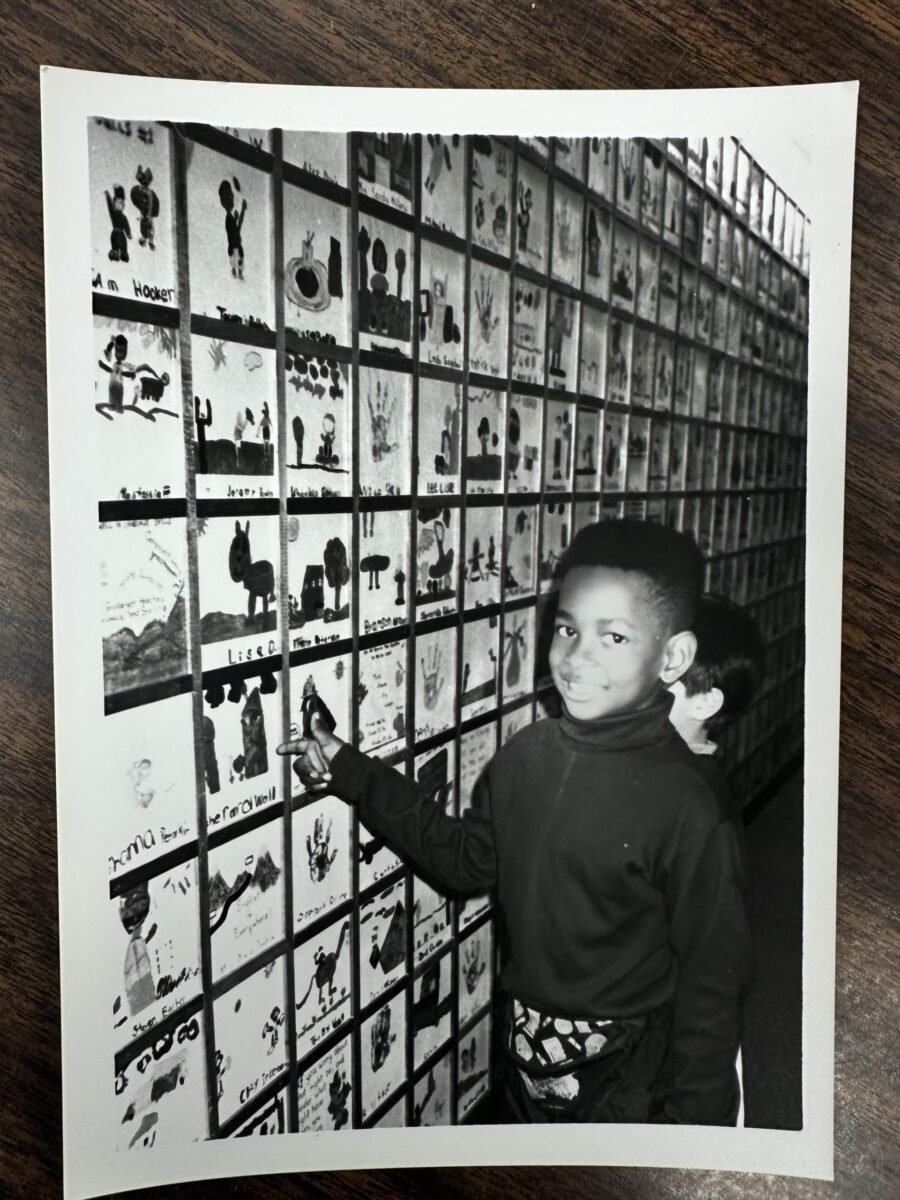
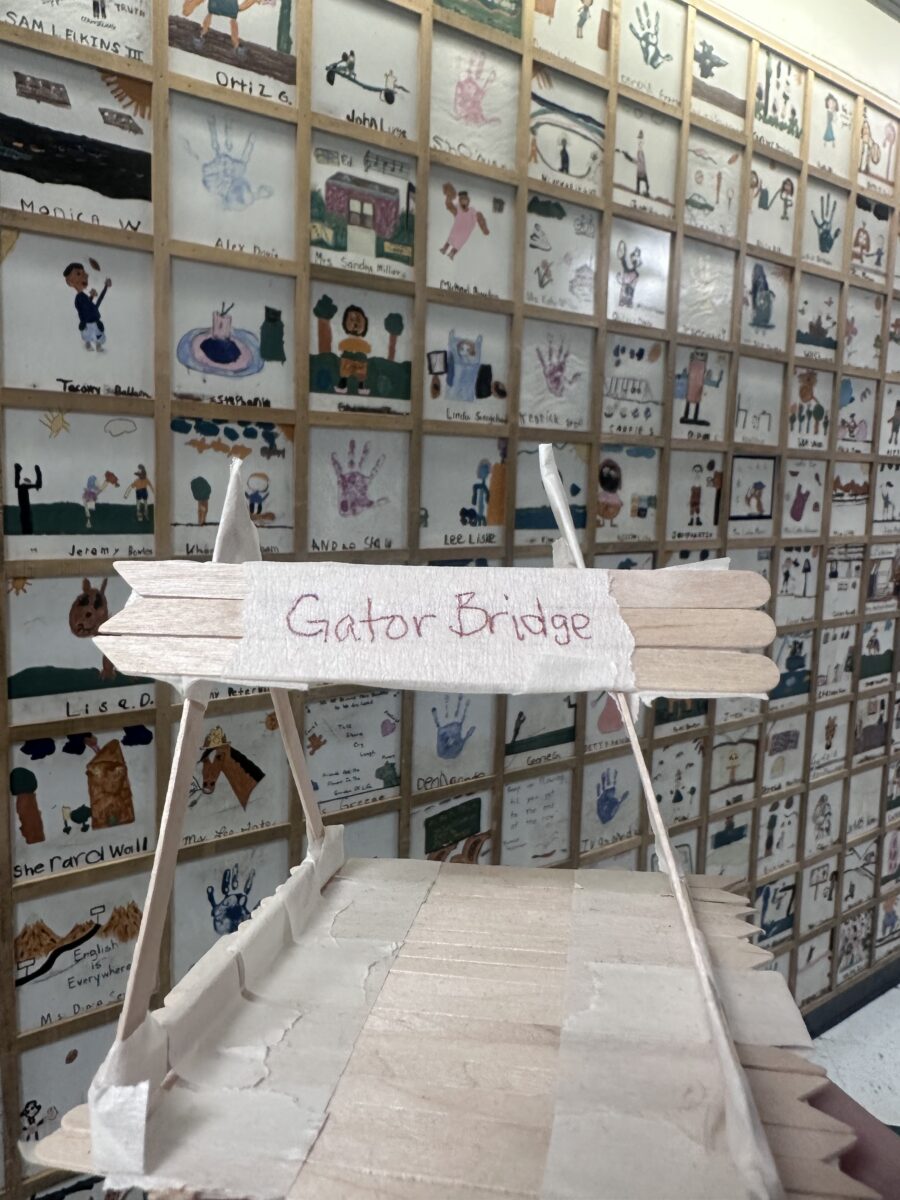
Perhaps the most powerful image from the day was not found in a presentation or data point. It was found in the school’s hallways. Visitors gathered near a large tiled mosaic created by students over many years. Some of the children who contributed tiles to that mural are now adults. Today, they are returning to support the same school community that helped shape them.
Nearby sat small bridges made from popsicle sticks, created by families and children during activities connected to the Family Resource Center’s opening. Together, the mosaic and the miniature bridges tell a larger story.
The work of Community Schools is not built in a single year. It is built over time through relationships, trust, and shared investment. Today’s students become tomorrow’s parents, volunteers, mentors, and community leaders. The community’s history lives within the school, and the school’s future is shaped by the community.
Early Progress, Long-Term Vision
What makes Montgomery County’s story particularly noteworthy is that this work is still in its early stages.
Montgomery County Schools joined the North Carolina Community Schools Coalition as part of the Sandhills expansion in January 2026. The district is actively building the relationships, structures, and partnerships that support long-term success.This is an important distinction because Community Schools are not a program with a finish line.
They are a framework for aligning people, partnerships, and resources around students and families. Success is measured not only by outcomes, but also by the strength of the systems and relationships being built along the way.
As Montgomery County leaders shared during the visit, the Community Schools framework provides a structure that helps schools coordinate existing efforts, strengthen partnerships, and create a more connected system of support for students and families.The work is ongoing. The momentum is growing.
Learning Across Communities
The presence of Charlotte-Mecklenburg Schools leaders made the day especially meaningful. Often, conversations about education assume that expertise flows in only one direction—from larger districts to smaller ones, from urban communities to rural communities.The NC Community Schools framework challenges that assumption.
The visit demonstrated what becomes possible when communities approach one another with curiosity, humility, and a willingness to learn. Leaders from one of the nation’s largest school districts spent time listening to and learning from educators and community members in one of North Carolina’s rural communities.
In doing so, they reinforced a simple but powerful idea:
Every community has strengths to share.
Every community has lessons to offer.
Every community has something valuable to teach.
Building a Statewide Learning Network
Visits like this are about more than a single day.They are part of a growing statewide movement to connect schools, families, and communities while creating opportunities for districts to learn from one another. Through the NC Community Schools Coalition, rural, suburban, and urban communities are exchanging ideas, sharing promising practices, and strengthening public education together.
The Gator Bridge offers a fitting metaphor for this work.
Just as it connects Mount Gilead Elementary School to the community it serves, relationships like these create bridges between communities across North Carolina. They allow ideas, inspiration, and opportunity to move across geographic boundaries and challenge assumptions about where innovation begins.
Because when schools become hubs of community resources and pride, every community has something valuable to contribute. And when innovation travels both directions, everyone moves forward.